Del sur
2019
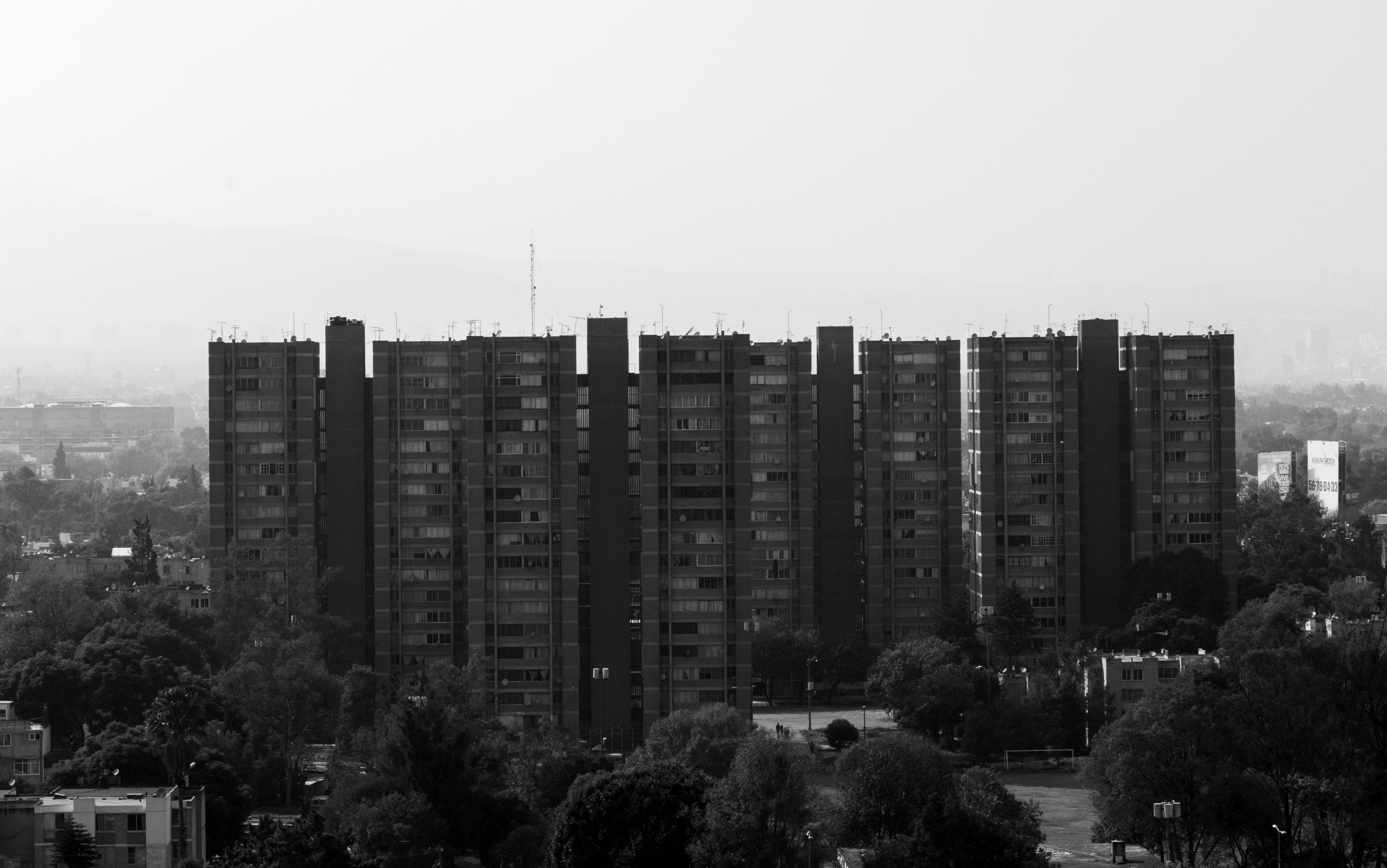
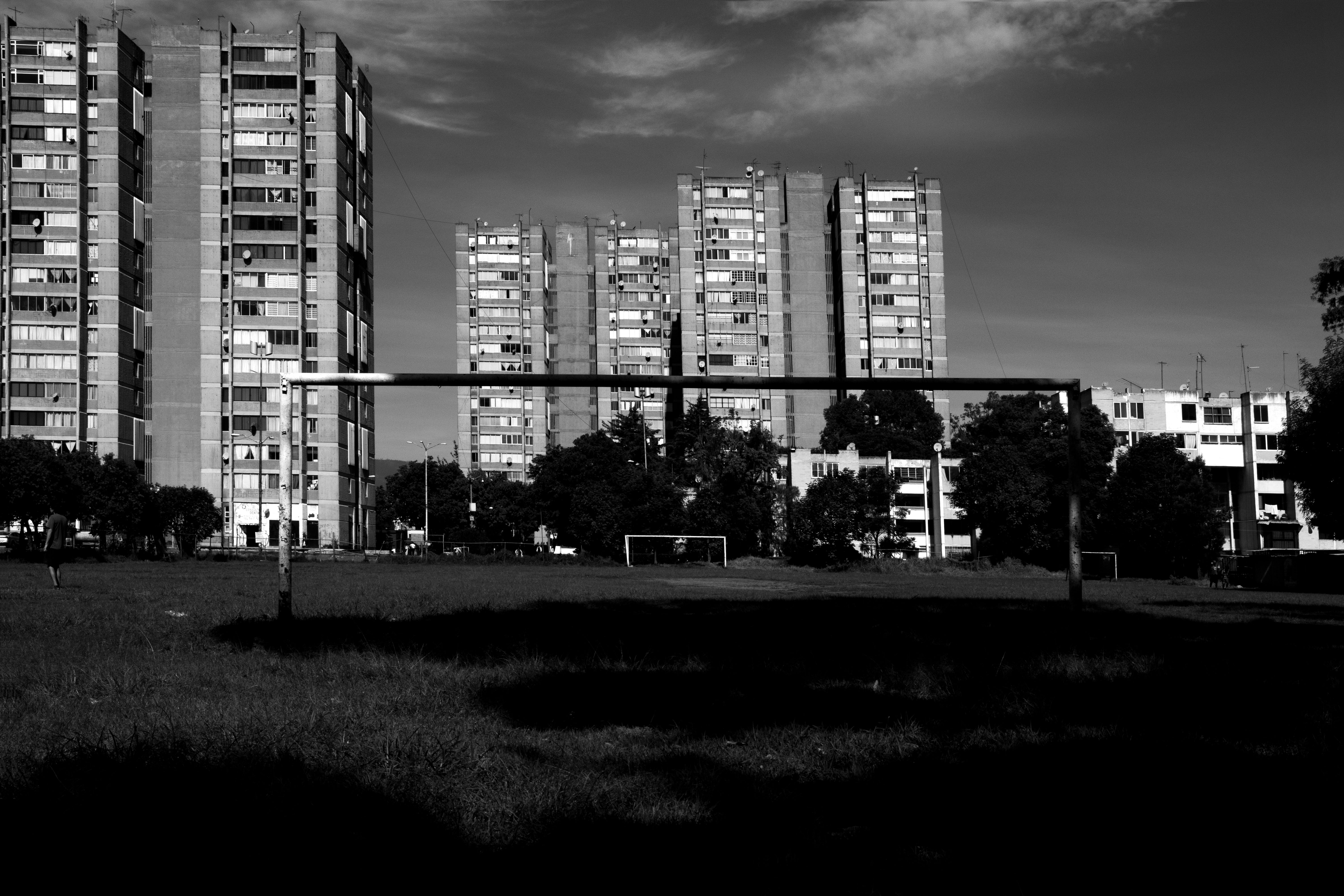
Las unidades habitacionales surgieron en México a mediados del siglo XX como un modelo de vivienda social inspirado en proyectos europeos, diseñado para ofrecer a la clase trabajadora espacios dignos, funcionales y colectivos. Estos complejos fueron concebidos como microcosmos urbanos autosuficientes, integrando escuelas, mercados, áreas recreativas y comercios, con el objetivo de reducir la dependencia del automóvil y fortalecer la vida comunitaria. La Unidad Habitacional Alianza Popular Revolucionaria forma parte de este impulso modernizador, encarnando la promesa del progreso, el orden y el bienestar social. Sin embargo, con el paso de los años, múltiples factores como las crisis económicas, el abandono institucional, la precariedad laboral y la fragmentación del tejido social llevaron al deterioro paulatino de estos espacios, derivando en problemas de marginalización, inseguridad y una profunda pérdida de calidad de vida.
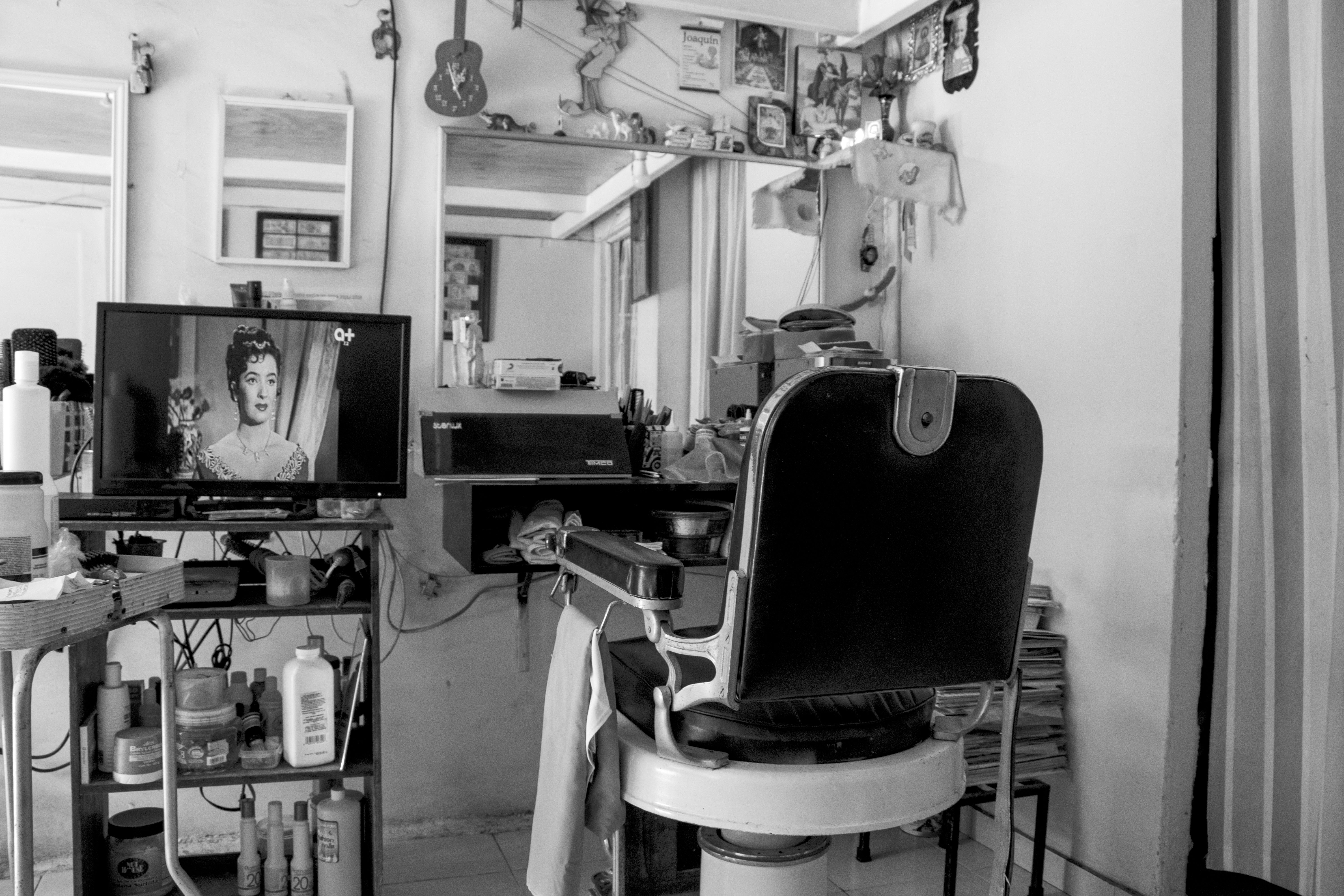
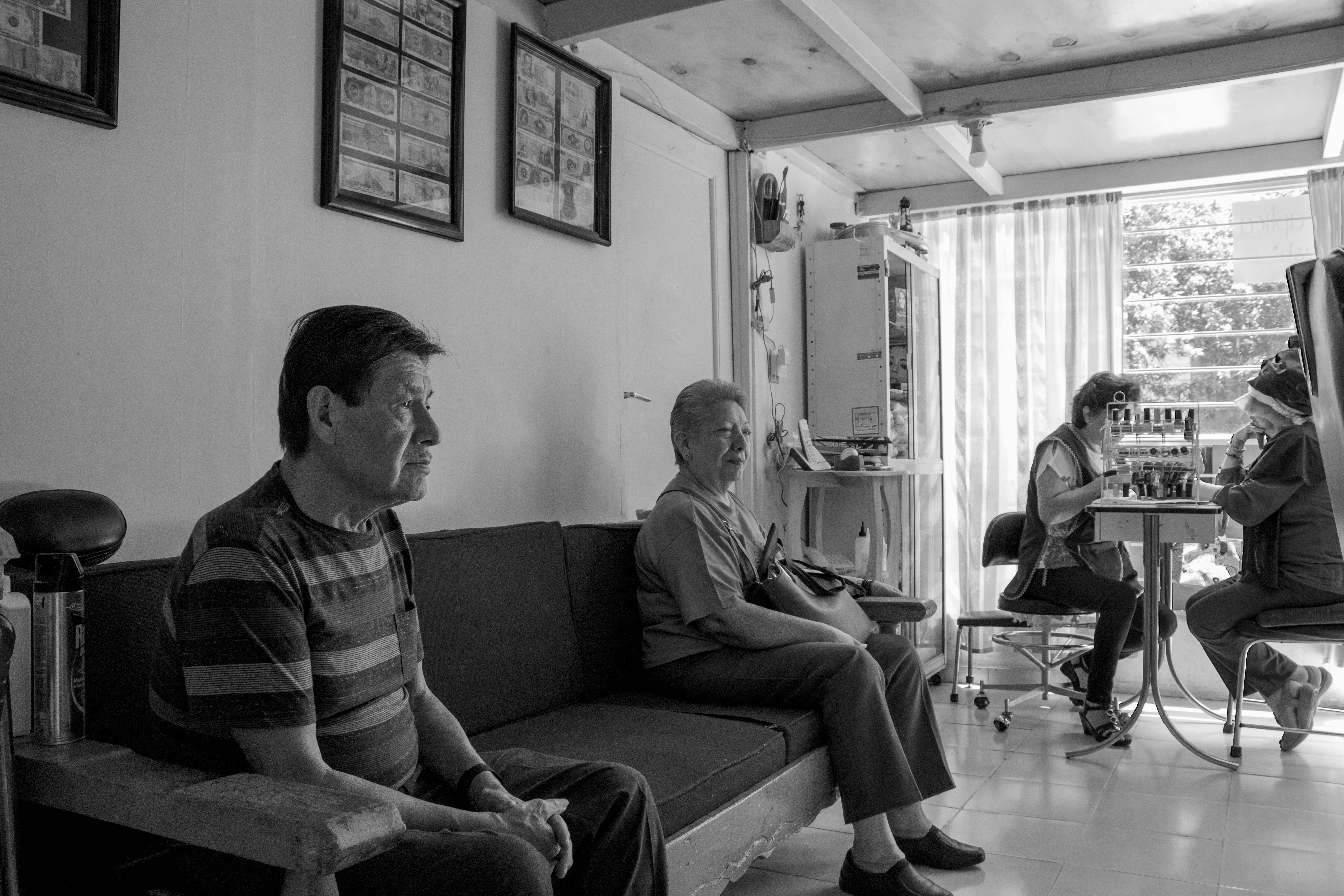
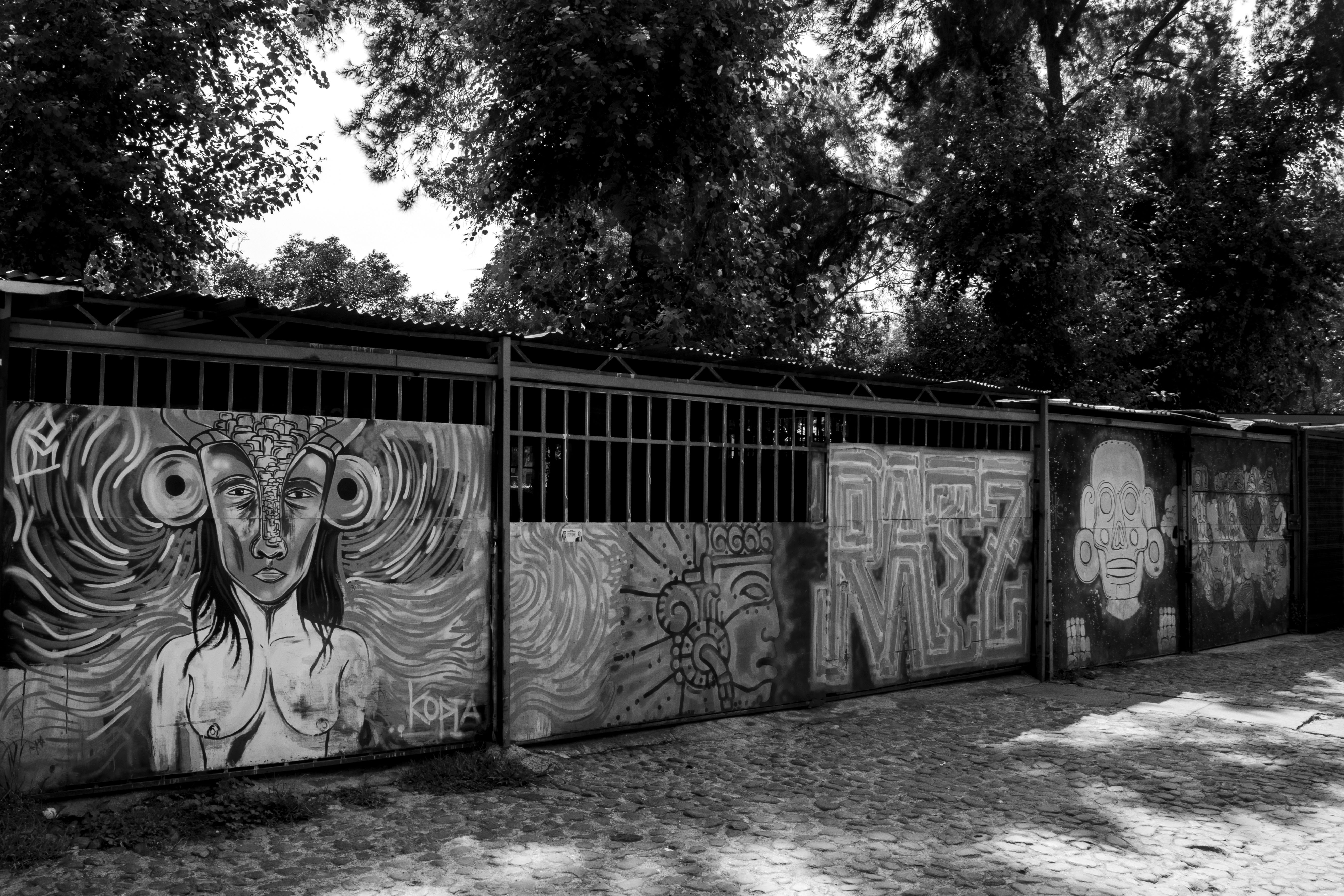
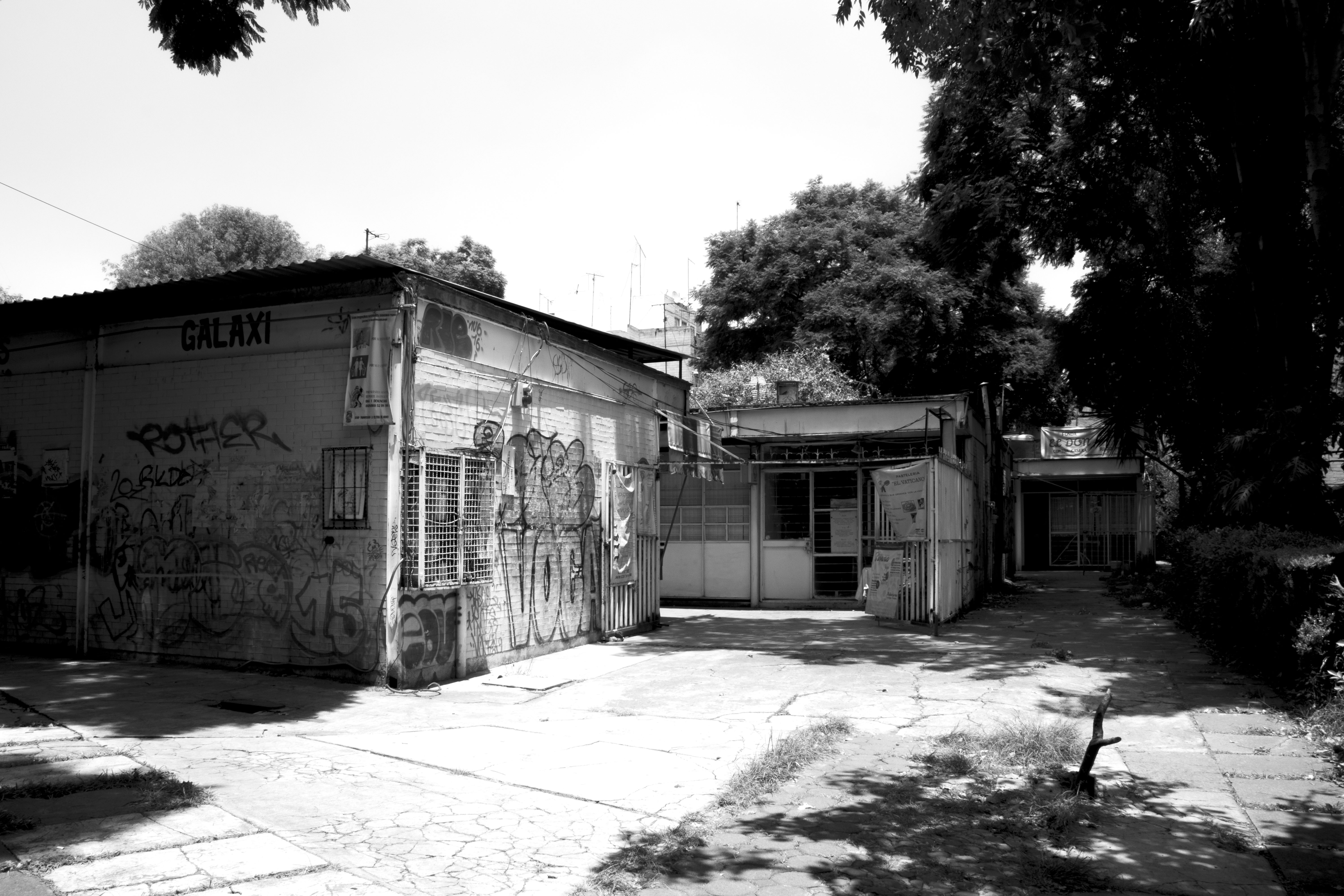
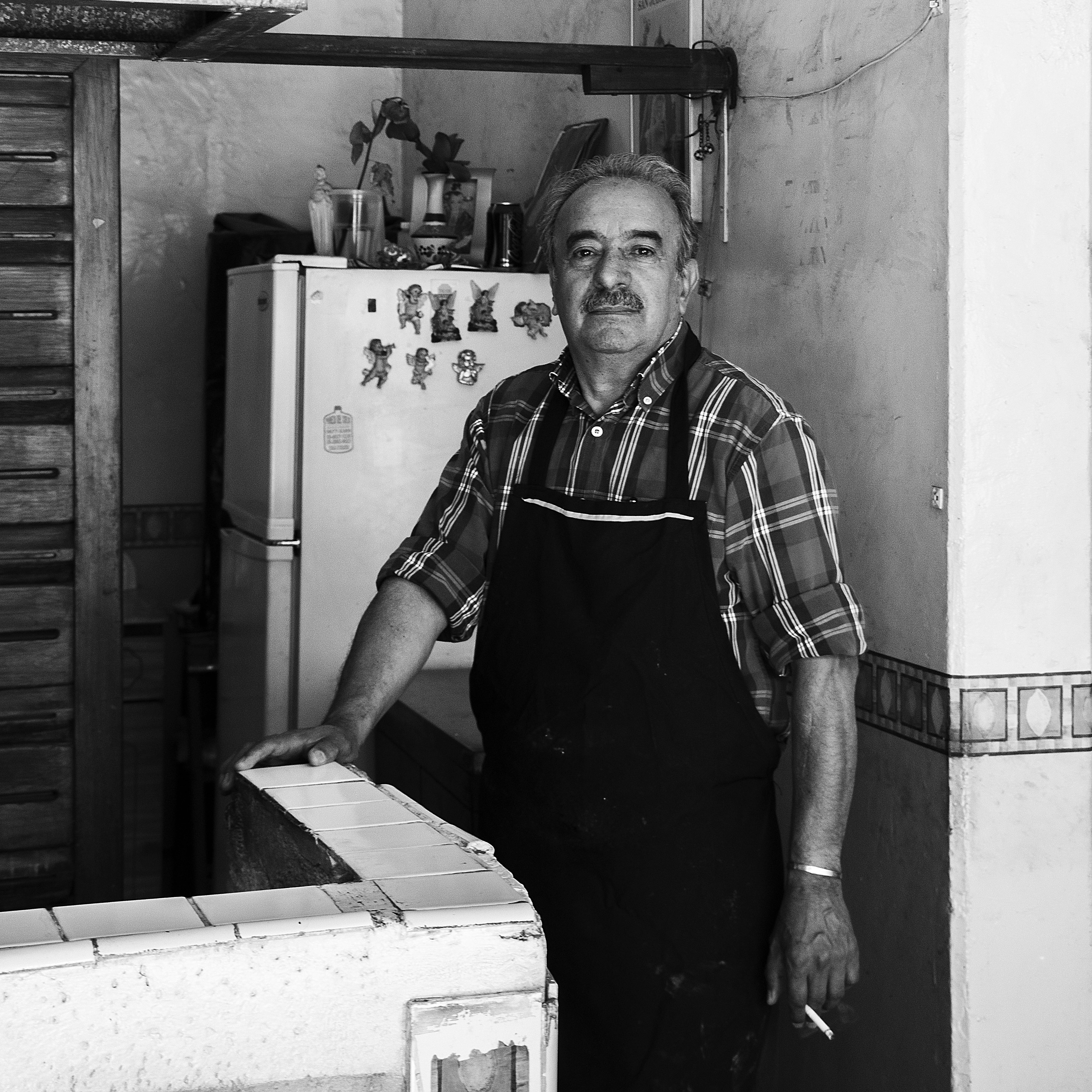
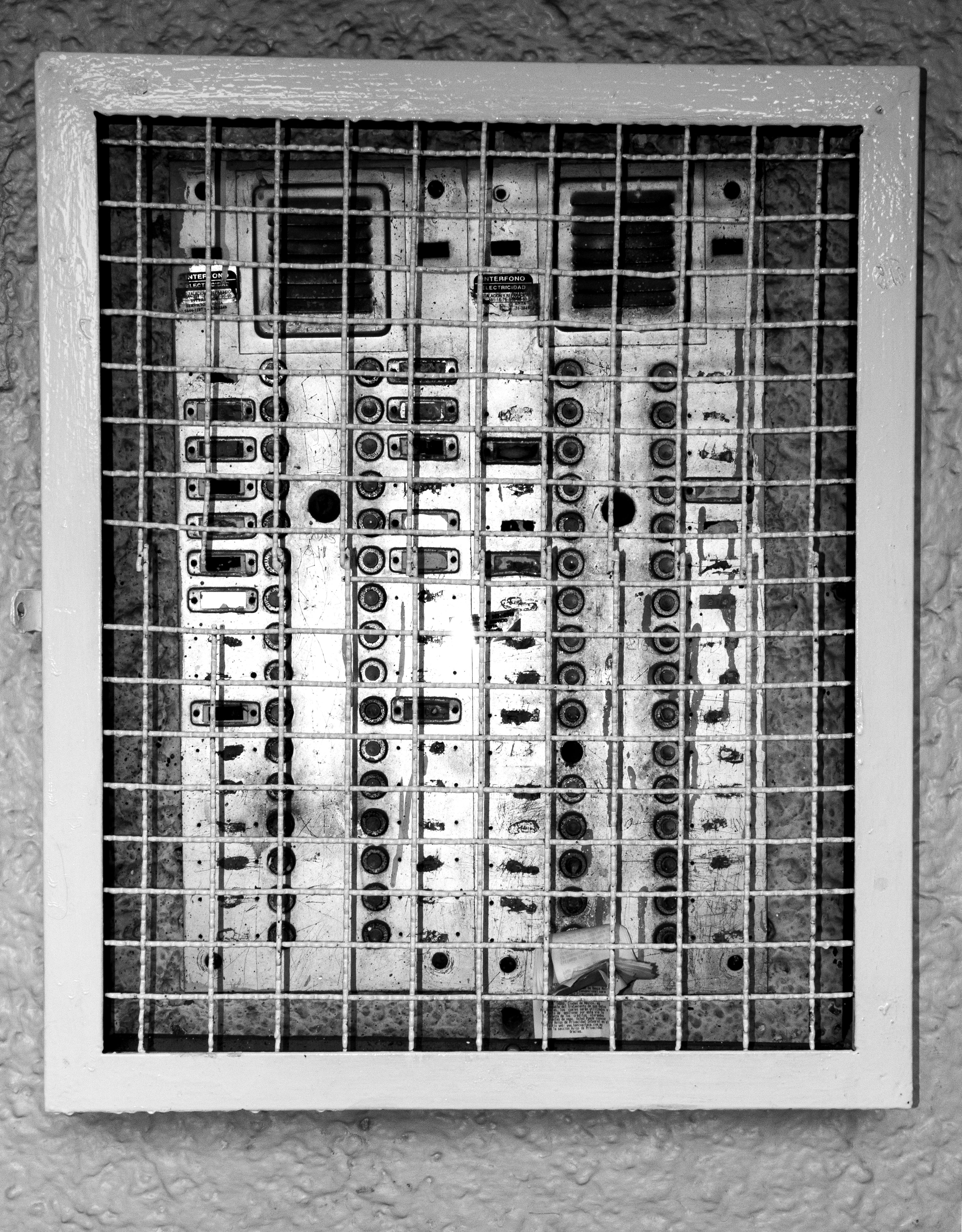
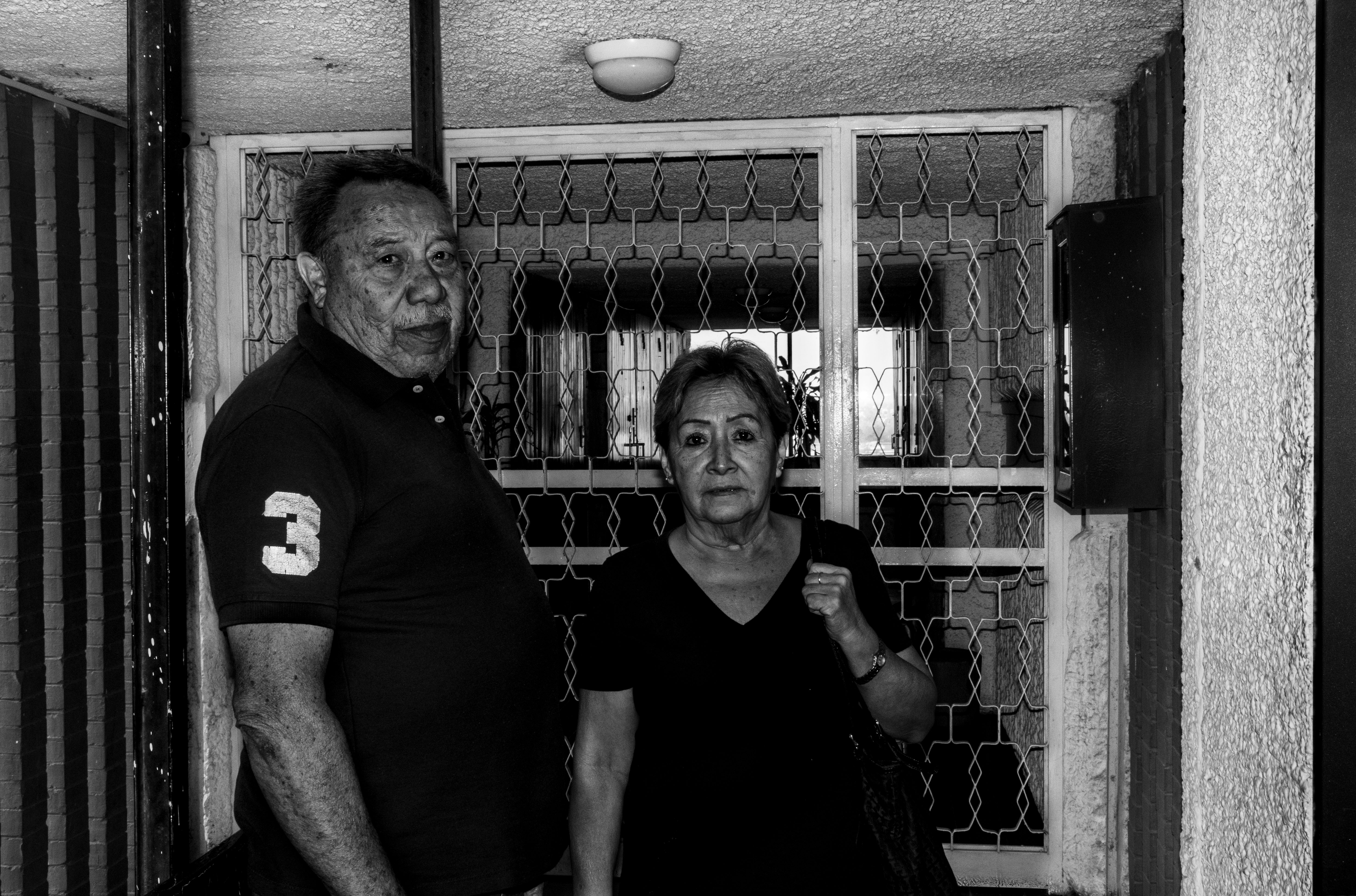
Del Sur es un proyecto fotográfico que documenta y reinterpreta la vida cotidiana en la Unidad Habitacional Alianza Popular Revolucionaria, el barrio donde crecí y que constituye el núcleo emocional y simbólico de esta investigación visual. A través de las imágenes, el proyecto busca reconstruir la memoria íntima del lugar, explorando las tensiones entre la utopía arquitectónica original y la realidad social contemporánea. Las fotografías funcionan como fragmentos de una cartografía afectiva que revela las huellas de una comunidad en transformación: los espacios habitados, los gestos cotidianos, los silencios y las marcas del tiempo que configuran la identidad del lugar.
Este trabajo nace de una necesidad personal de volver al origen para comprender cómo el espacio moldea la subjetividad y la forma en que construimos pertenencia. Fotografiar la unidad es también un ejercicio de introspección, donde la nostalgia, la crítica y la ternura coexisten. Del Sur propone una mirada que se aleja del estigma para situarse desde la cercanía, buscando dignificar la experiencia de habitar estos territorios y generar un diálogo sobre la memoria urbana, la clase trabajadora y los procesos sociales que atraviesan la vida comunitaria.
Housing units emerged in Mexico in the mid-20th century as a model of social housing inspired by European projects, designed to offer the working class decent, functional, and collective spaces. These complexes were designed as self-sufficient urban microcosms, integrating schools, markets, recreational areas, and shops, with the aim of reducing dependence on cars and strengthening community life. The Alianza Popular Revolucionaria Housing Unit is part of this modernizing impulse, embodying the promise of progress, order, and social welfare. However, over the years, multiple factors such as economic crises, institutional neglect, job insecurity, and the fragmentation of the social fabric led to the gradual deterioration of these spaces, resulting in problems of marginalization, insecurity, and a profound loss of quality of life.
Del Sur is a photographic project that documents and reinterprets everyday life within the Alianza Popular Revolucionaria Housing Unit, the neighborhood where I grew up and which constitutes the emotional and symbolic core of this visual investigation. Through images, the project seeks to reconstruct the intimate memory of the place, exploring the tensions between the original architectural utopia and contemporary social reality. The photographs function as fragments of an affective cartography that reveals the traces of a community in transformation: the inhabited spaces, the everyday gestures, the silences, and the traces of time that shape the identity of the place.
This work stems from a personal need to return to my origins in order to understand how space shapes subjectivity and the way we construct belonging. Photographing the unit is also an exercise in introspection, where nostalgia, criticism, and tenderness coexist. Del Sur proposes a perspective that moves away from stigma to situate itself from a place of closeness, seeking to dignify the experience of inhabiting these territories and generate a dialogue about urban memory, the working class, and the social processes that permeate community life.